ICP - mass spectrometers
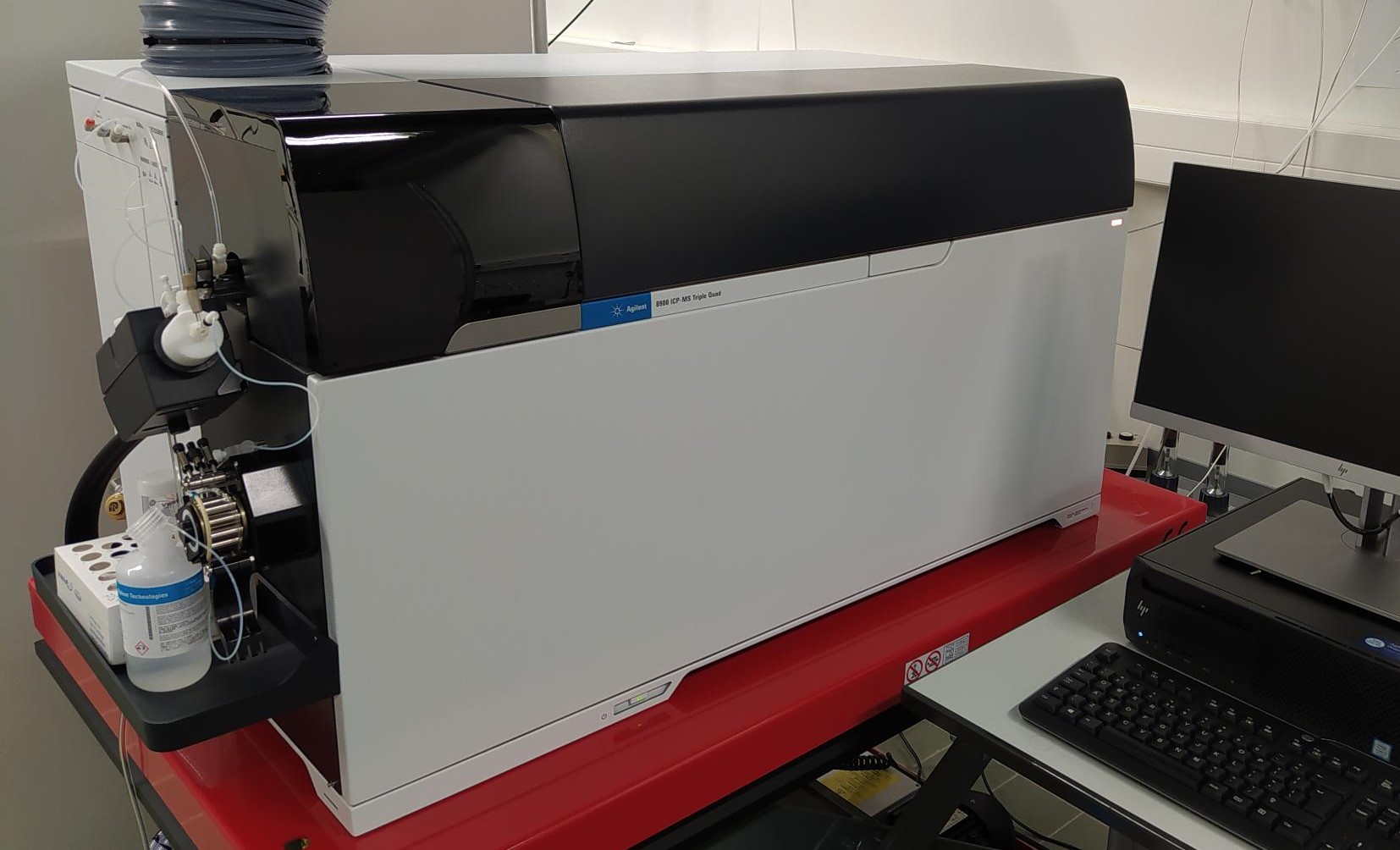 Agilent 8900 ICP-MS/MS unit (since 2020)
Tandem ICP-mass spectrometer offering excellent capabilities for interference-free (ultra)trace element determination based on the use of chemical resolution. Its short minimum detector dwell time (100 µs) also renders this unit suitable for single-event (single-particle and single-cell) ICP-MS.
 TOFWERK icpTOF2R Time-of-Flight MS (since 2019)
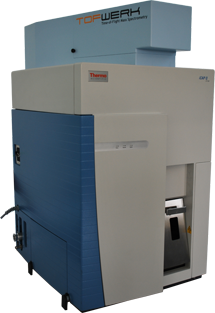
Owing to the use of a time-of-flight mass spectrometer and the specific design of this ICP-MS instrument, it allows rapid mass spectral acquisition and concurrent analysis of all nuclides, with a good sensitivity and high mass resolving power.
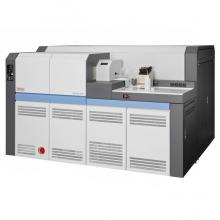 Thermo Scientific Neptune XT Multi-collector ICP-MS (Since 2019)
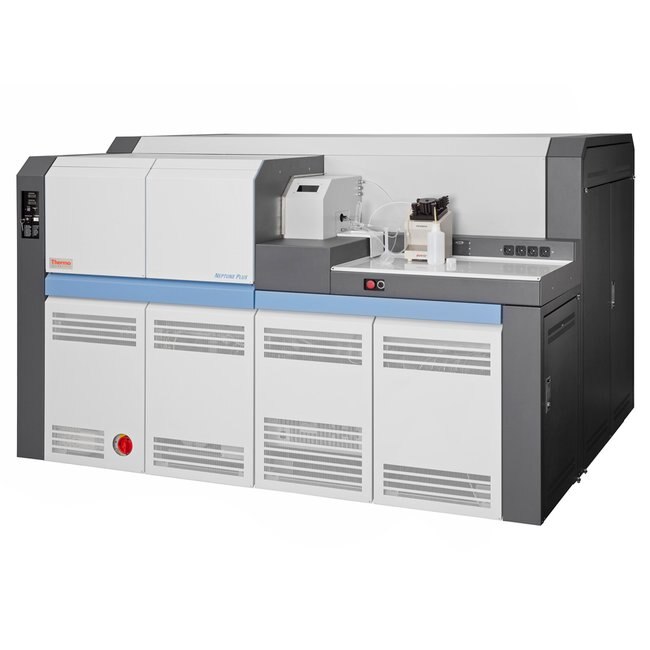
Second multi-collector sector field ICP - mass spectrometer as a dedicated tool for highly precise determination of isotope ratios (metals & metalloids), equipped with XHR (extra-high resolution) and 1013 Ohm resistors.
 Agilent 7900 Quadrupole-based ICP-MS (Since 2015)
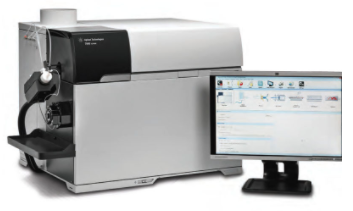
Quadrupole-based ICP-MS instrument, equipped with an octopole reaction cell for overcoming spectral overlap via selective ion-molecule chemistry (chemical resolution) and/or energy discrimination.
 Agilent 8800 Triple Quadrupole ICP-MS (Since 2013)
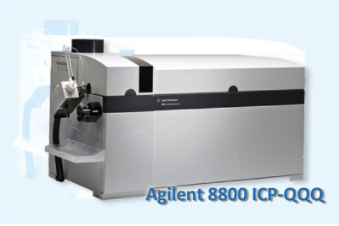
This instrument is equipped with an additional quadrupole analyzer, in front of an octopole reaction cell and an analyzer quadrupole. This configuration is called MS/MS. With this set-up, chemical resolution can be exploited at its full potential because a very controlled and efficient interference removal is possible.
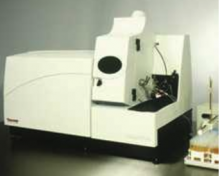 Thermo Scientific XSeries II Quadrupole-based ICP-MS (Since 2009)
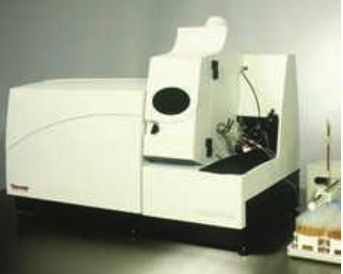
ICP-MS equipped with hexapole collision cell for overcoming spectral overlap via selective ion-molecule chemistry (chemical resolution) and/or energy discrimination.
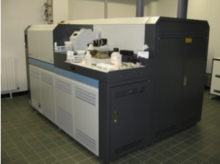 Thermo Scientific Neptune Multi-collector ICP-MS (Since 2007)
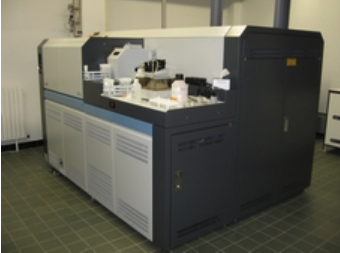
Multi-collector sector field ICP - mass spectrometer as a dedicated tool for highly precise determination of isotope ratios (metals & metalloids), equipped with a double-focusing mass spectrometer of Nier-Johnson geometry and an array of 9 Faraday collector and 3 ion counting devices. Resolving power (5%,95%) of up to 8000 - pseudo high resolution. Retardation lens for optimizing abundance sensitivity.
Upgraded to Neptune Plus configuration via installation of a high-efficiency interface.
Thermo Scientific Element XR Sector-field ICP-MS (Since 2007)
Decommissioned
Perkin Elmer Sciex Elan DRCplus Quadrupole-based ICP-MS (Since 2001)
Decommissioned
Finnigan MAT Element (Since 1994)
Decommissioned
Perkin Elmer Sciex Elan 5000 (Since 1993)
Decommissioned
VG PlasmaQuad (Since 1987)
Decommissioned